Salad and Appetizer Plates for Every Kind of Gathering
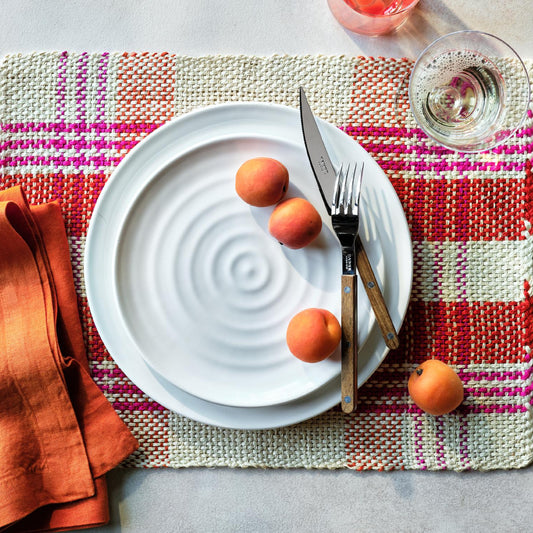
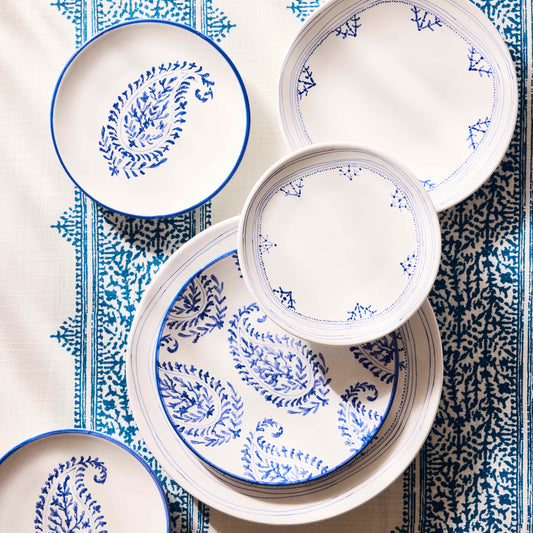
Hudson Grace salad and appetizer plates may be smaller in scale, but they can change the entire table. Layer a hand-painted salad plate over classic white dinnerware, use a small plate for bread or dessert, or stack appetizer plates beside the bar for cocktails and hors d’oeuvres.
Our collection includes European-made ceramic, porcelain, and stoneware plates in classic white, rich color, and expressive patterns. In addition, we release seasonal appetizer and accent plates throughout the year. They offer an easy way to bring something new to the table without replacing the dinnerware you already use.
Why Choose Hudson Grace Small Plates?
Small plates are among the most useful pieces in the cabinet. They work across meals, courses, parties, and seasons. Therefore, we select salad and appetizer plates for both their beauty and the many ways they can be used.
Hudson Grace small plates include:
- Salad plates for first courses, lunch, and light meals
- Appetizer plates for hors d’oeuvres and cocktail parties
- Accent plates that layer with classic dinnerware
- Dessert plates for cake, fruit, pastries, and sweets
- Bread plates for individual place settings
- European-made ceramic, porcelain, and stoneware
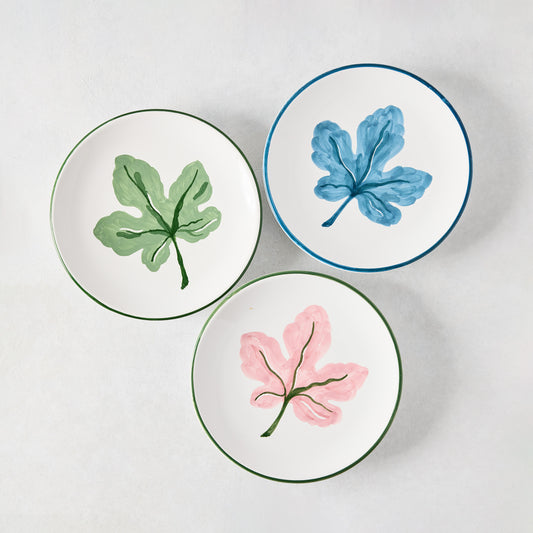
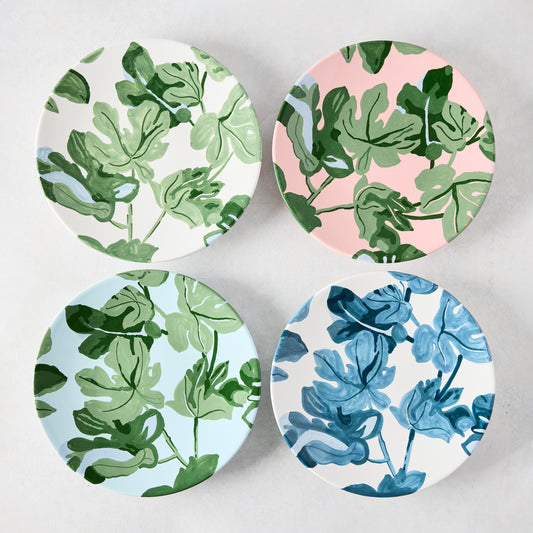
- Hand-painted borders, stripes, florals, and graphic patterns
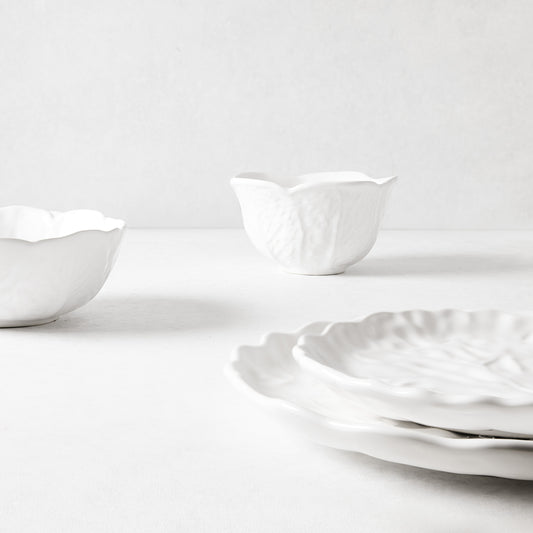
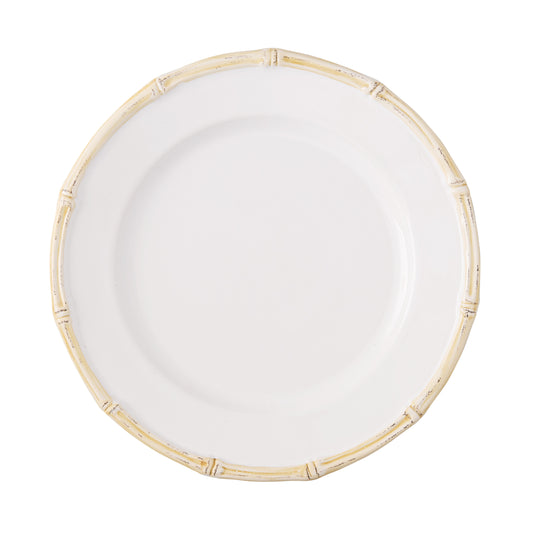
- Classic white plates in organic, scalloped, and textured forms
- Seasonal plates for holidays and special gatherings
- Outdoor melamine plates for patio dining and picnics
What Is the Difference Between a Salad Plate and an Appetizer Plate?
A salad plate usually measures about seven to nine inches across. It can hold a first course, side salad, lunch, dessert, or smaller meal. Because it sits neatly over a dinner plate, it also provides an easy place to introduce color or pattern.
An appetizer plate is generally smaller. Its compact size suits passed hors d’oeuvres, bread, snacks, cake, and cocktail-party bites. However, exact dimensions vary by collection. Always review the product measurements when choosing plates for a particular use.
Accent plate is a broader design term. It often refers to a smaller plate chosen to add contrast to the place setting. Therefore, one plate may serve as a salad, appetizer, dessert, bread, and accent plate depending on its size and how you use it.
Salad Plates for More Than Salad
A good salad plate does far more than hold greens. Use one for breakfast, lunch, dessert, or a smaller dinner. It can also serve a first course at a formal meal or give each guest a place for bread and shared appetizers.
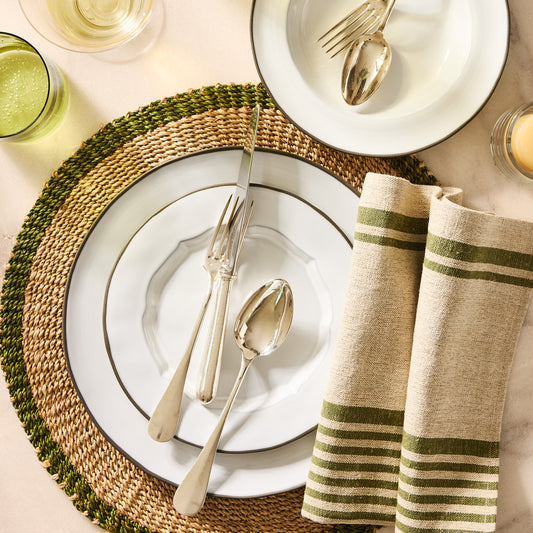
For everyday use, choose a salad plate from the same collection as your dinner plate. Alternatively, select a different pattern, glaze, or color to give the setting more depth. The smaller scale lets you make a stronger choice without overwhelming the rest of the table.
Salad plates are especially useful for:
- Salads and first courses
- Sandwiches and light lunches
- Breakfast and pastries
- Cake, pie, fruit, and dessert
- Bread, cheese, and side dishes
- Small dinners and late-night snacks
Appetizer Plates for Cocktail Parties
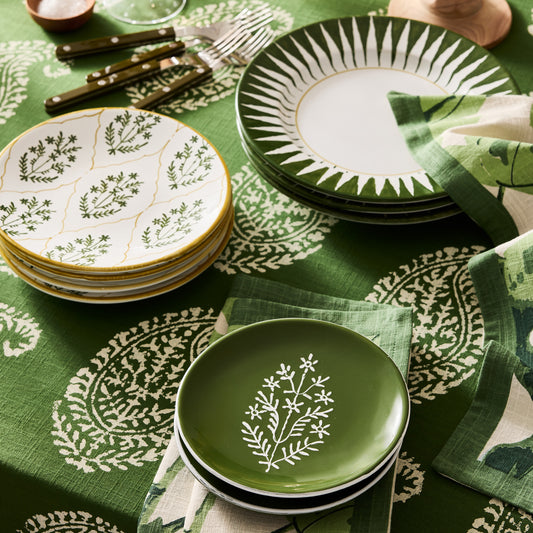
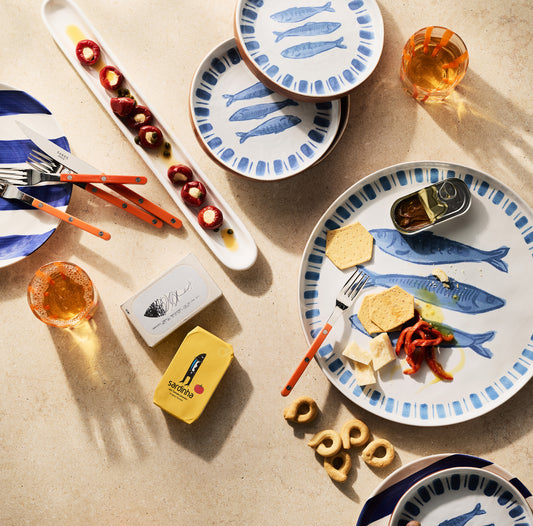
For a cocktail party, stack appetizer plates where guests can reach them easily. Their small size allows someone to hold a plate in one hand and a drink in the other. Moreover, they keep small bites contained without asking guests to balance food on a napkin.
Place one stack near the bar and another beside the food. Then, use small serving bowls and platters to create several points of access around the room. This simple arrangement helps guests move freely and keeps the gathering from forming one crowded line.
Appetizer plates work well for:
- Cheese, charcuterie, and crostini
- Olives, nuts, and savory snacks
- Passed hors d’oeuvres and canapés
- Sliders, skewers, and small sandwiches
- Cookies, chocolates, and small desserts
- Cake and sweets at a birthday party
Accent Plates Made for Layering
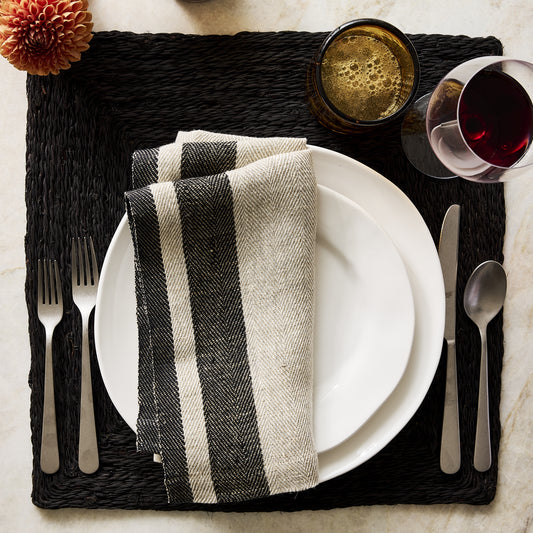
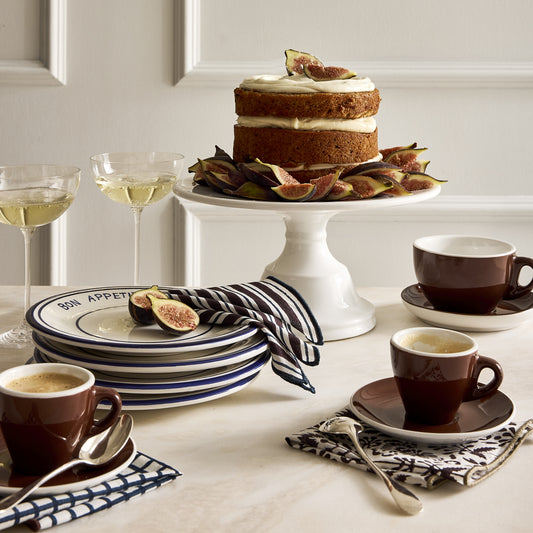
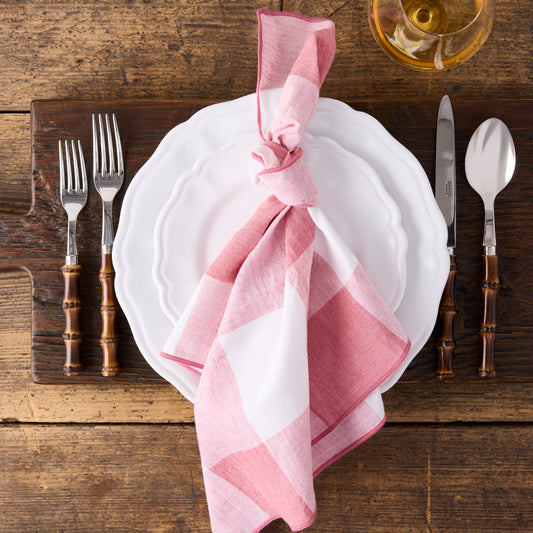
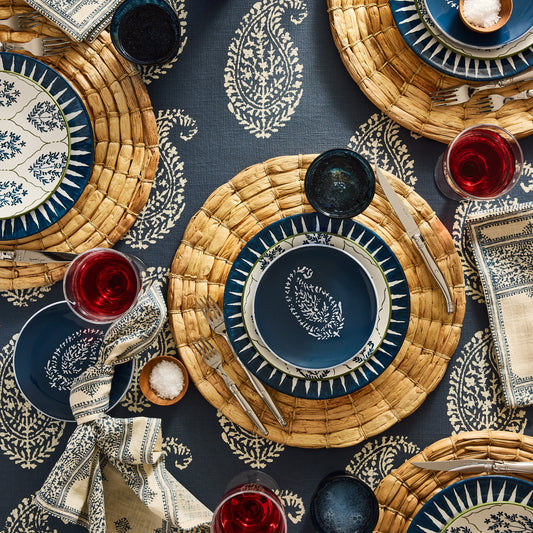
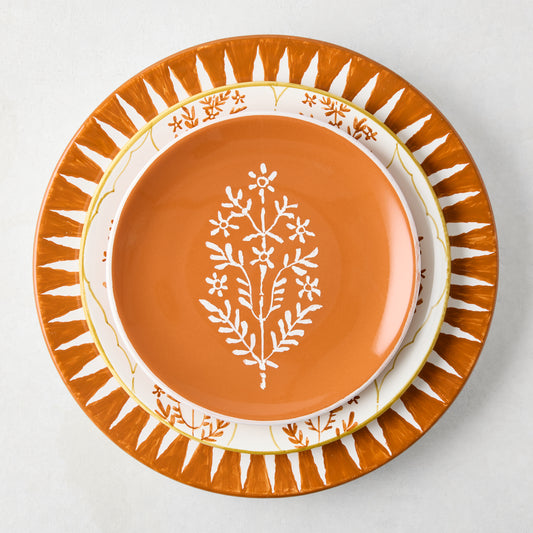
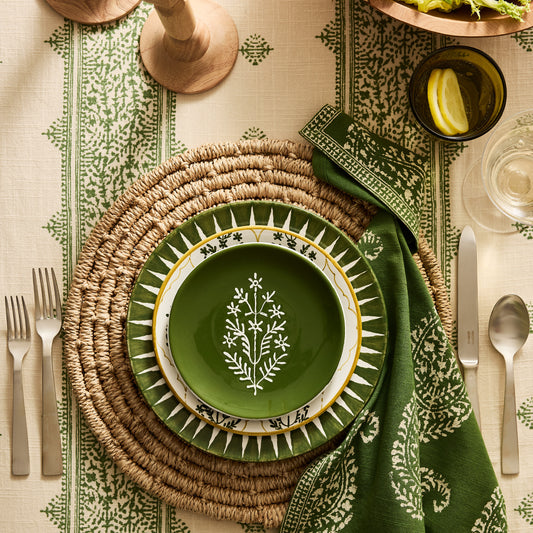
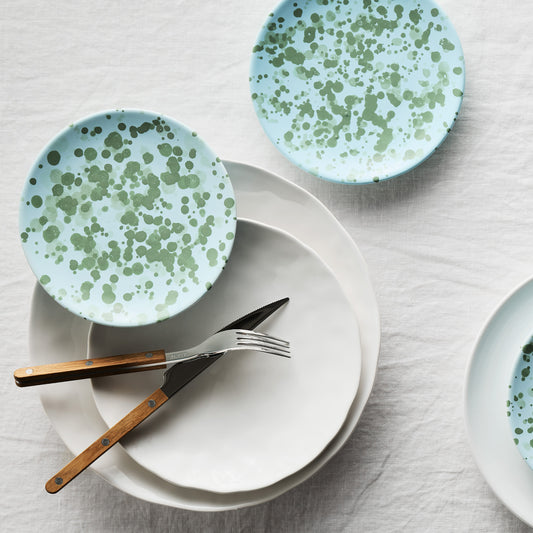
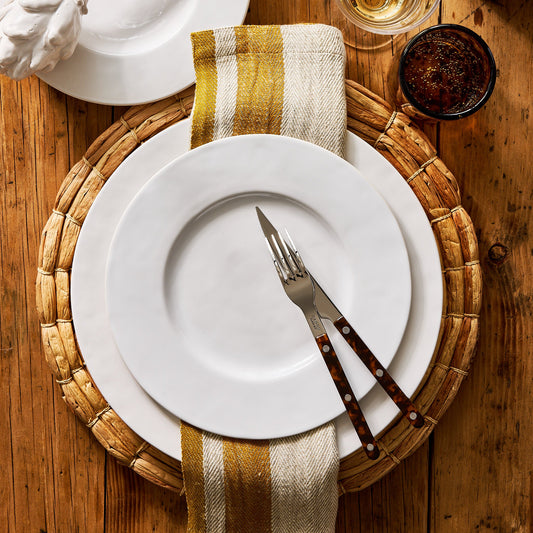
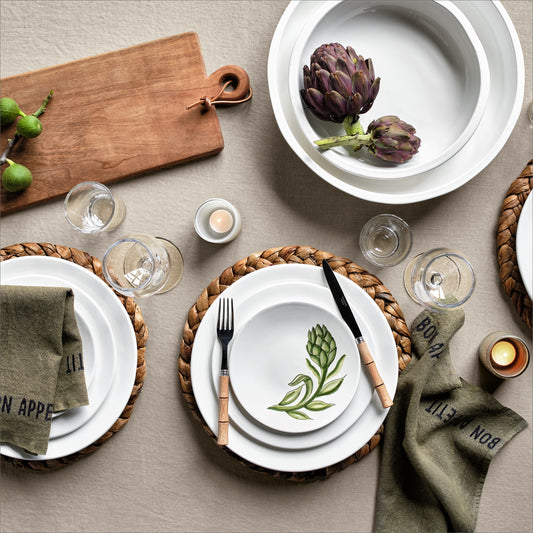
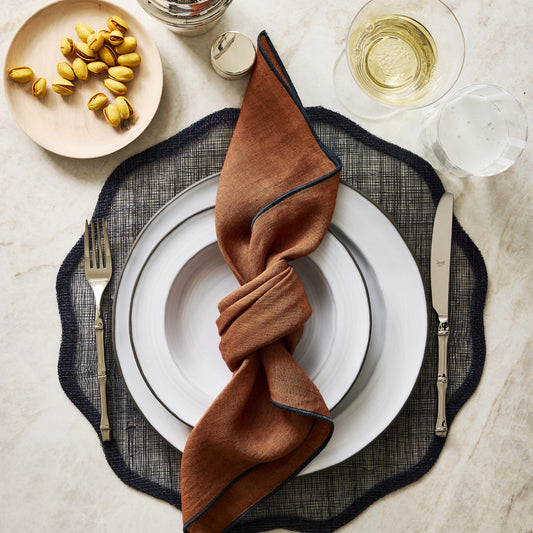
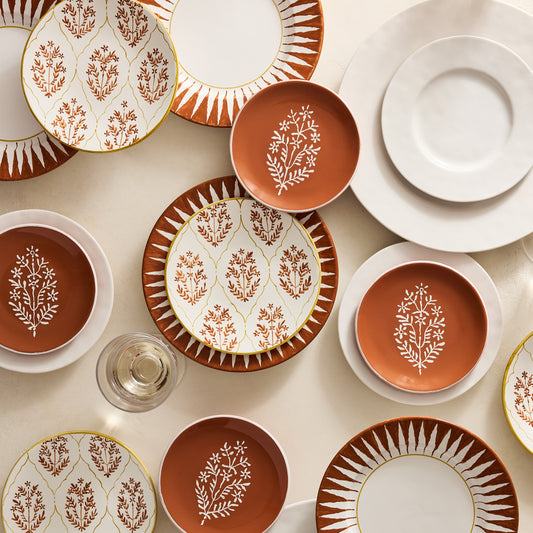
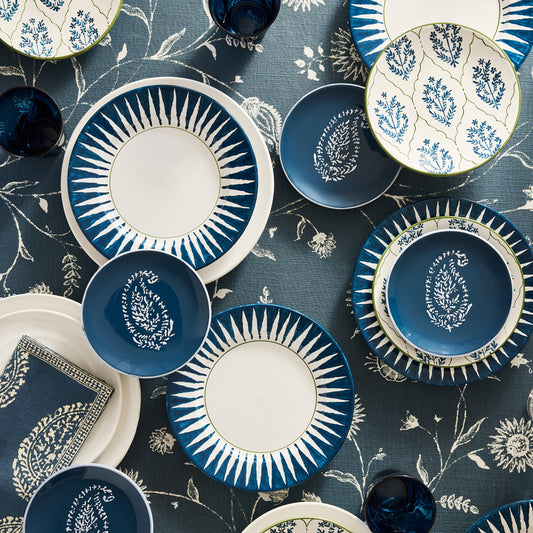
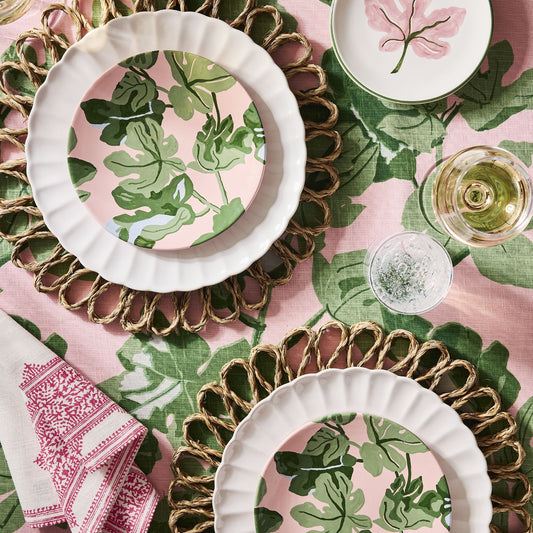
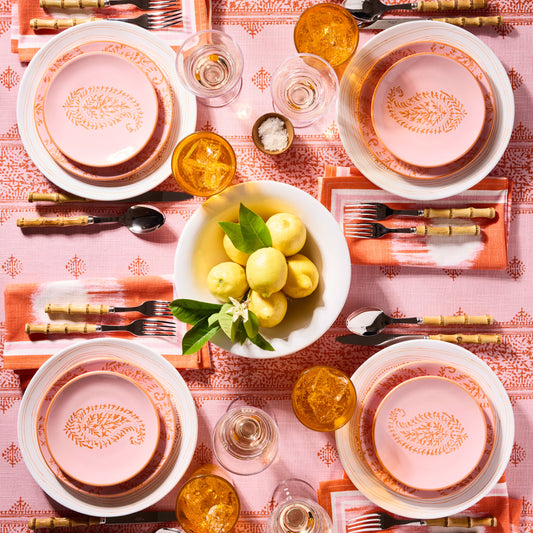
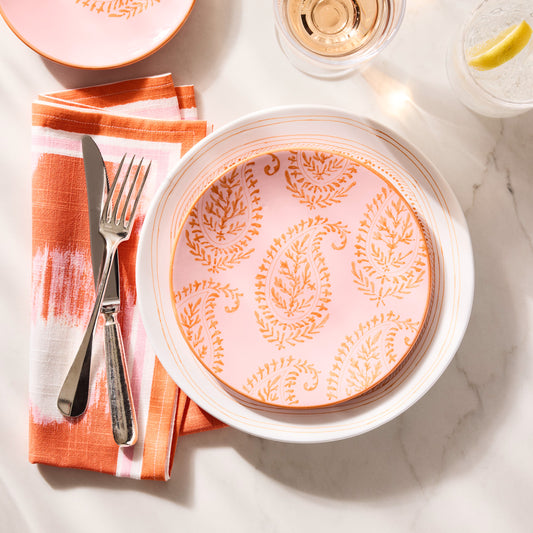
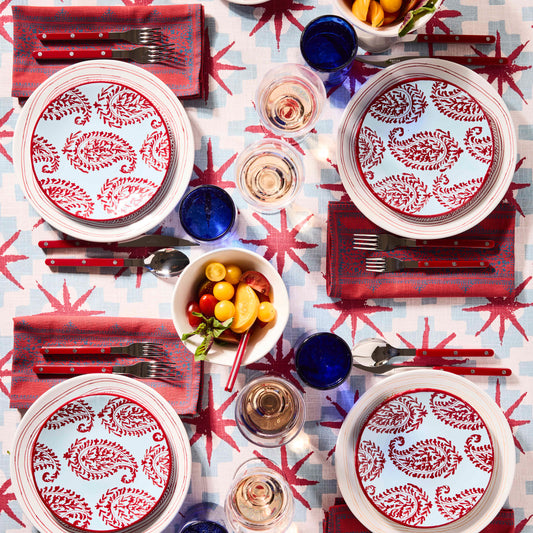
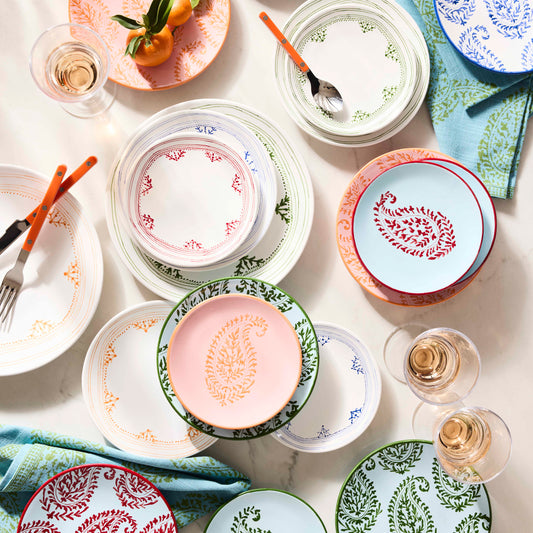
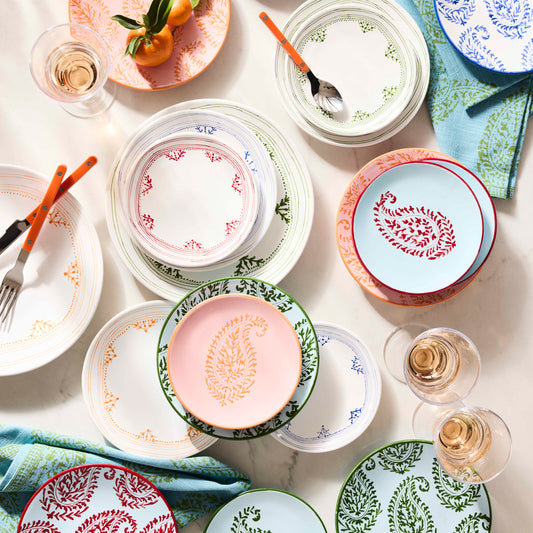
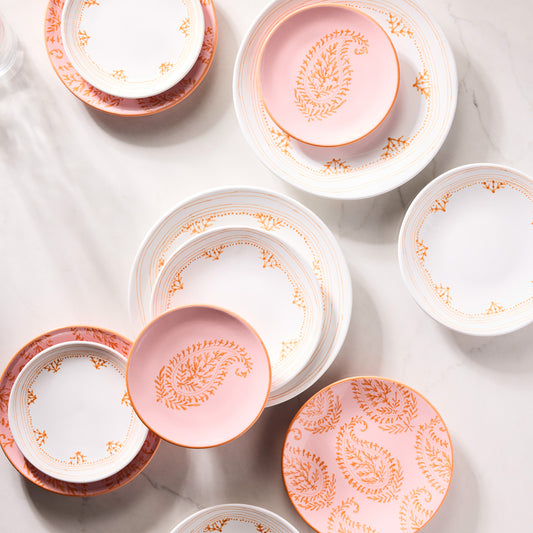
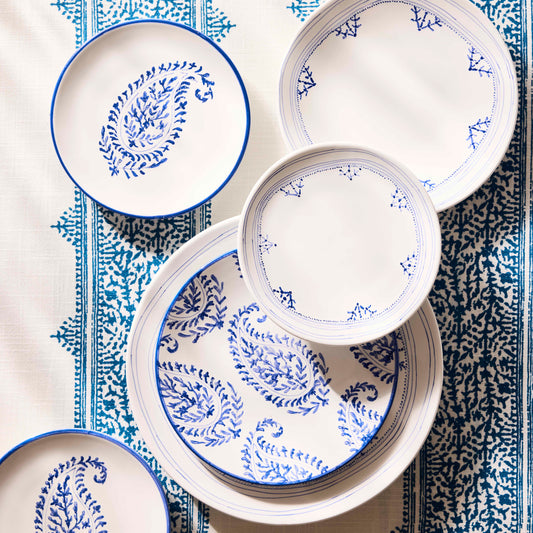
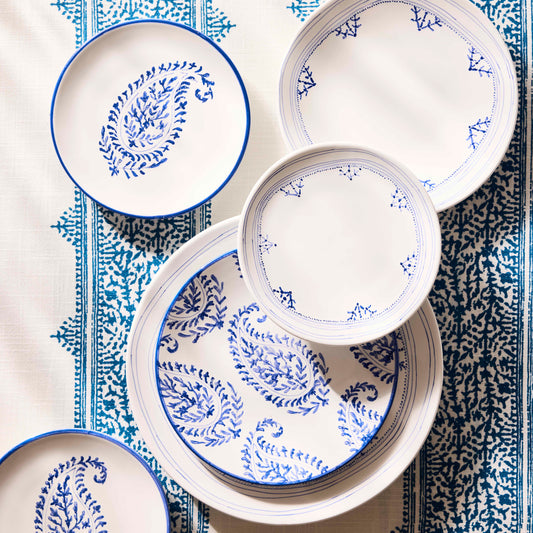
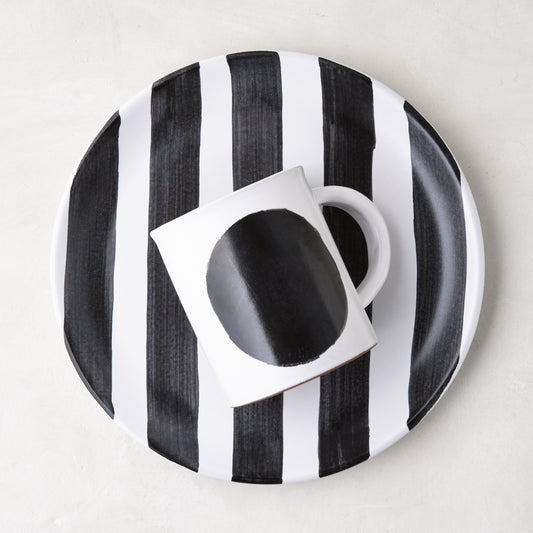
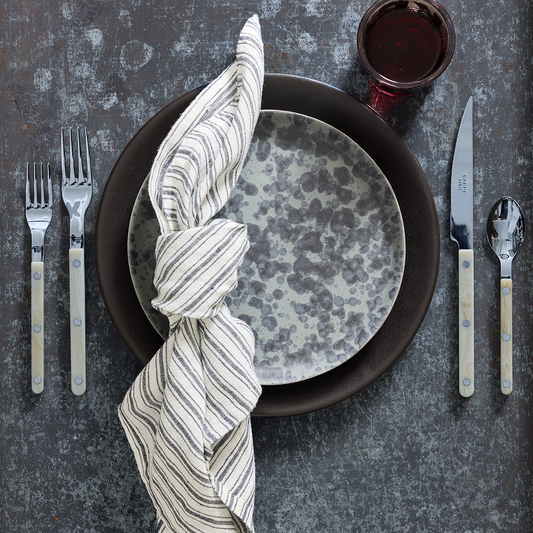
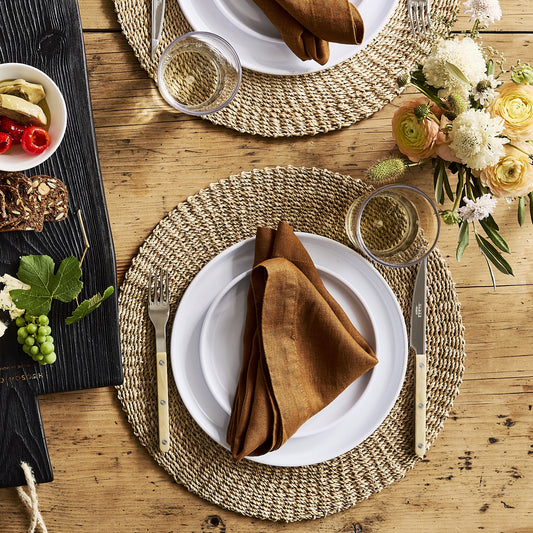
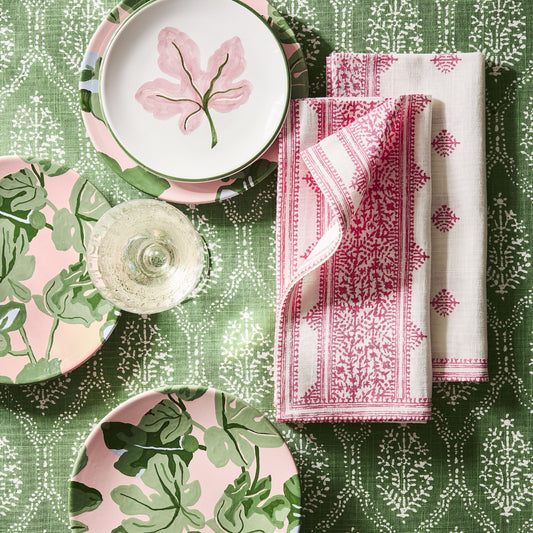
We love accent plates because they can change a familiar dinnerware collection in seconds. Start with a white, cream, or neutral dinner plate. Next, layer a patterned salad plate over it. The smaller plate adds color and character while the dinner plate keeps the setting grounded.
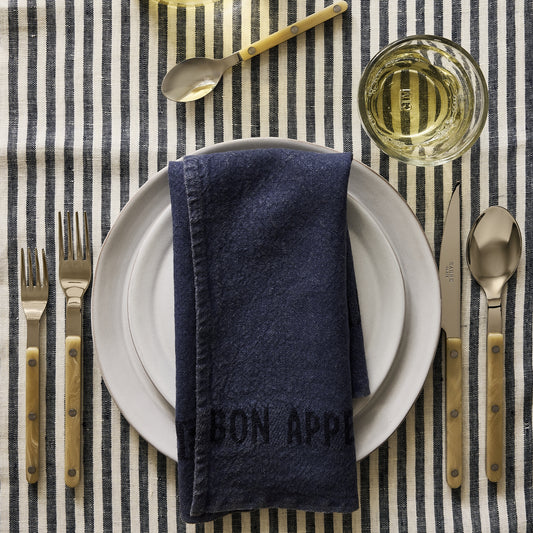
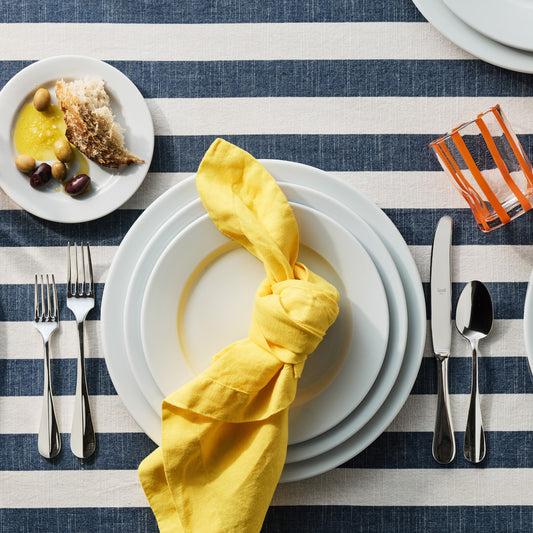
The plates do not need to come from the same collection. Instead, connect them through one shared detail. For example, pair a blue border with a blue linen napkin or mix an orange patterned plate with our signature orange glassware and linens.
Some of our favorite combinations include:
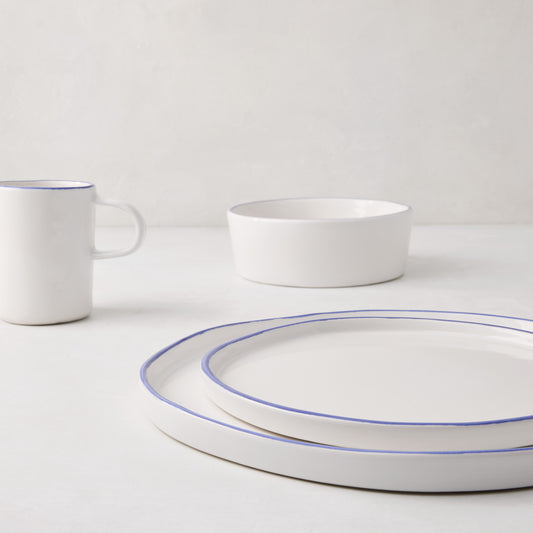
- Hand-painted salad plates over white porcelain dinner plates
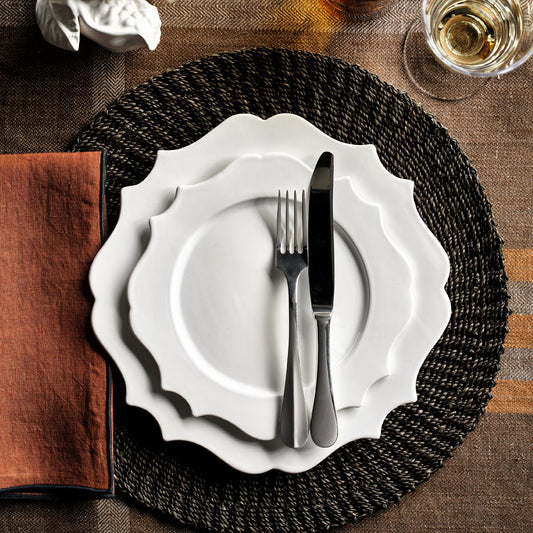
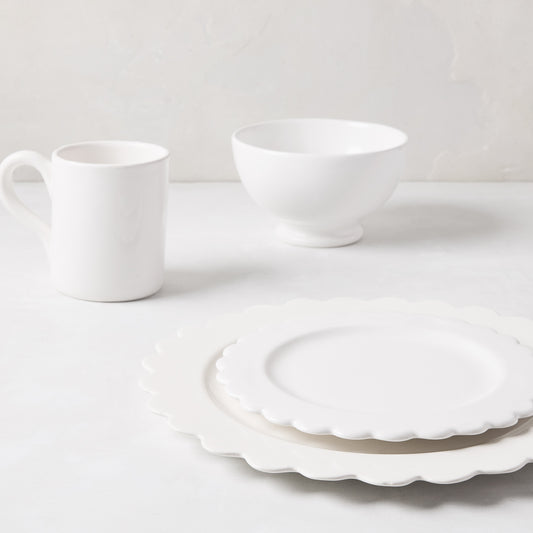
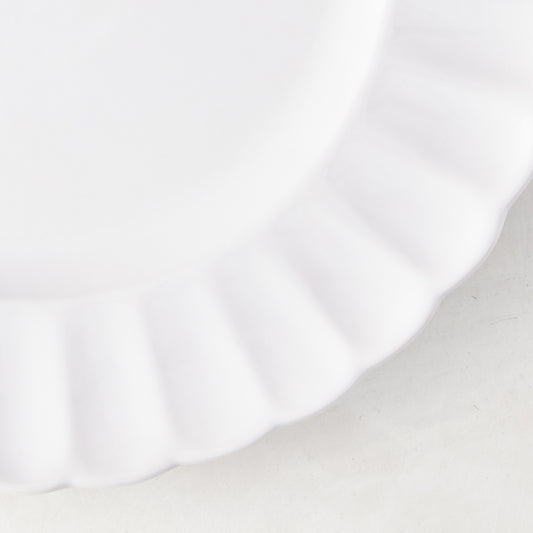
- Scalloped accent plates with simple rimmed dinnerware
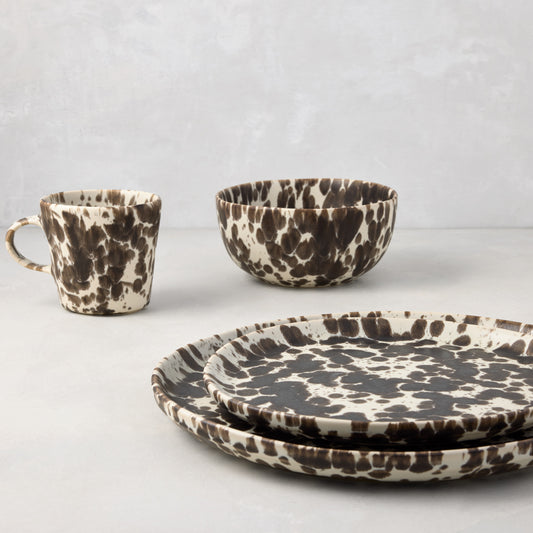
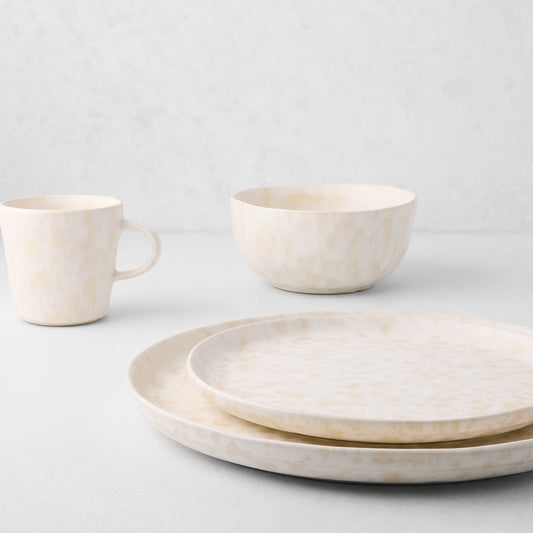
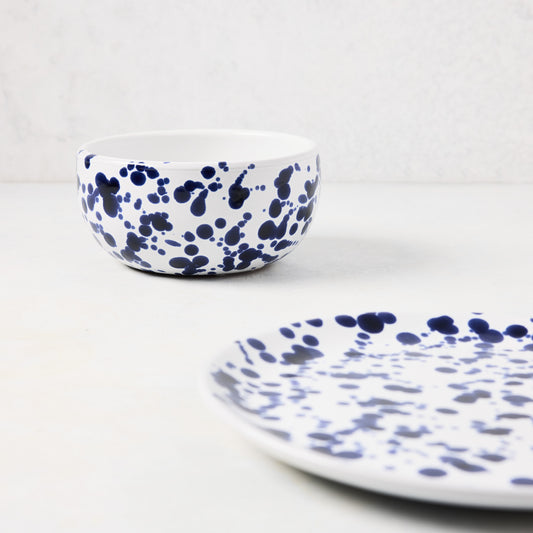
- Splatter stoneware over creamy white ceramic
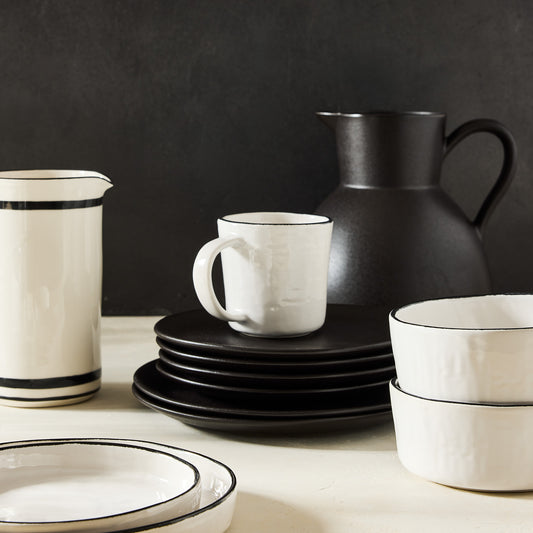
- Graphic black and white plates with orange table linens
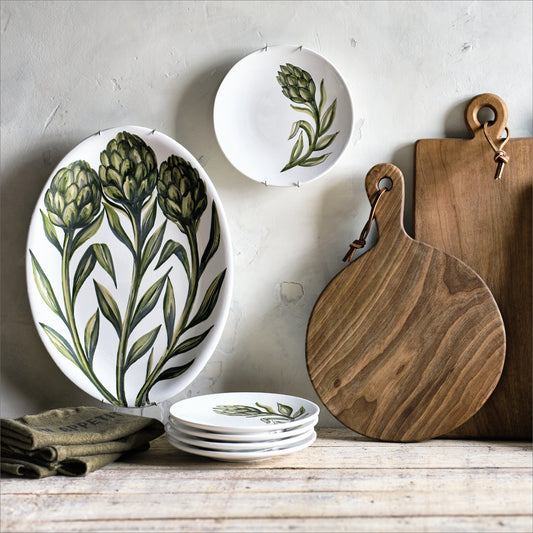
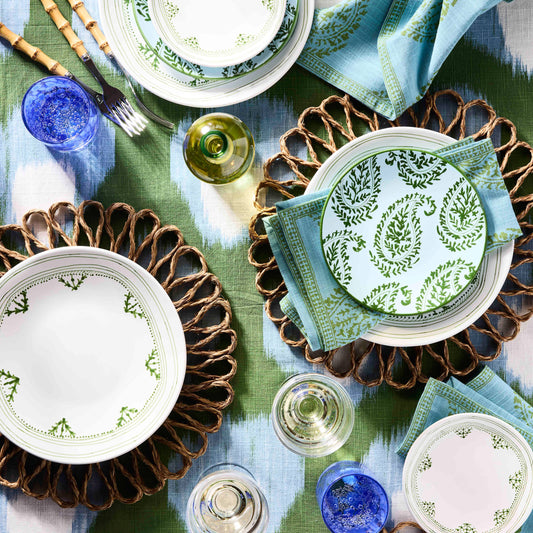
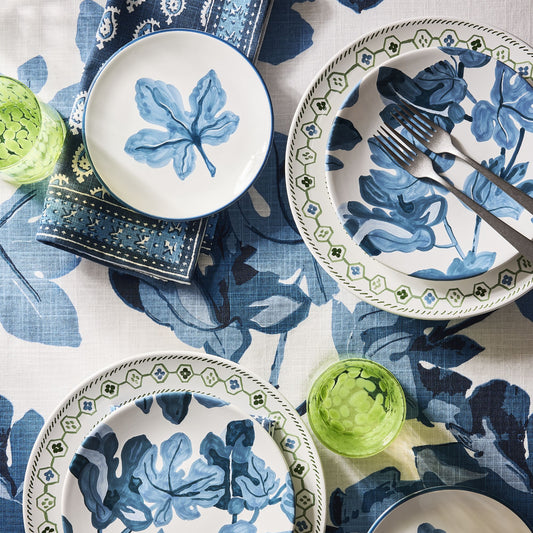
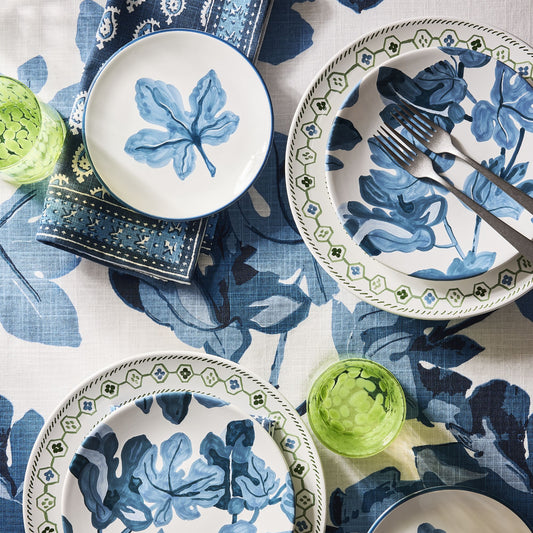
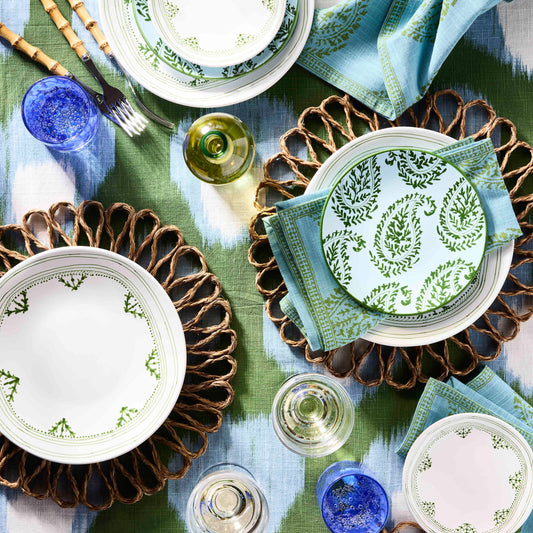
- Botanical plates with green glassware and natural linen
- Mixed seasonal plates connected by one color
Hand-Painted Salad and Appetizer Plates
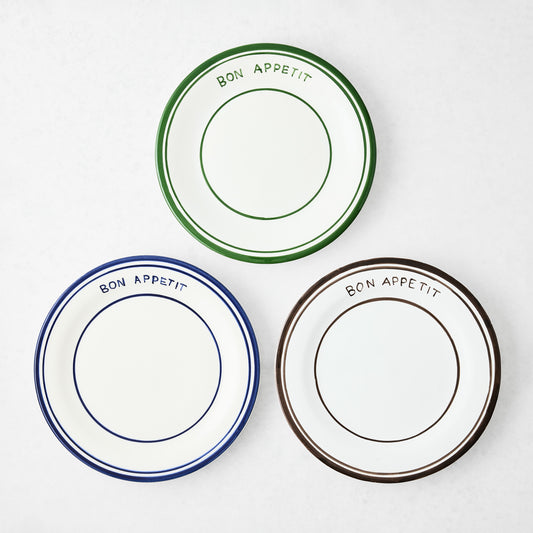
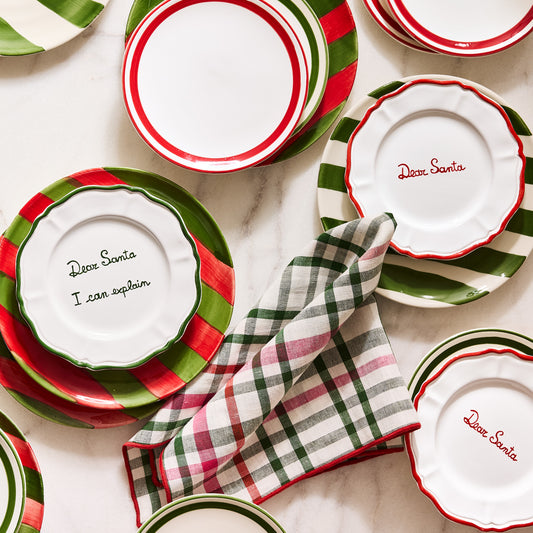
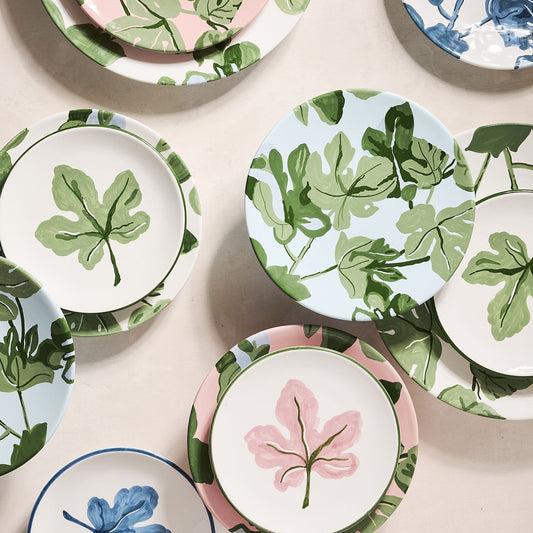
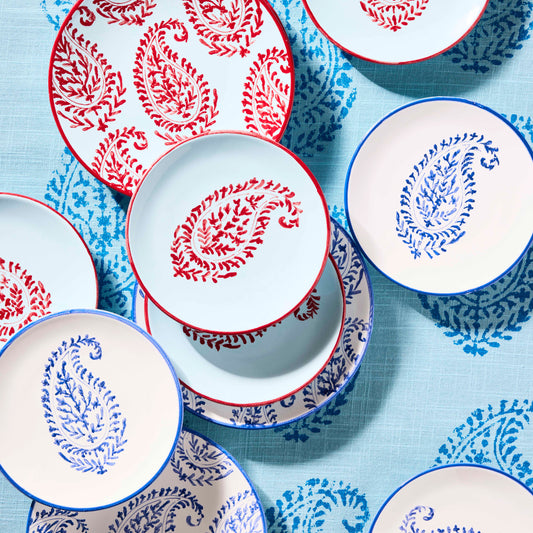
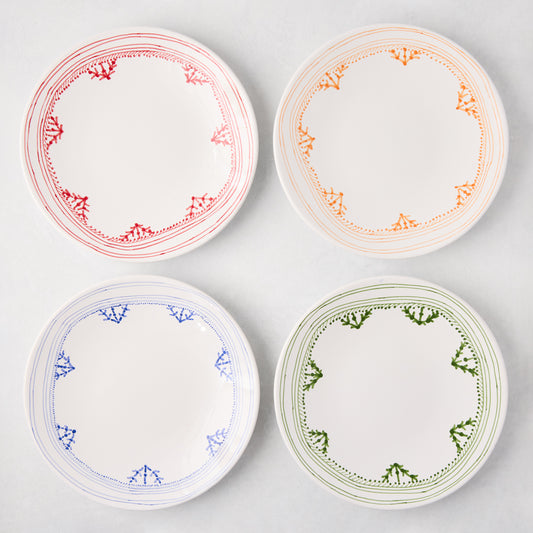
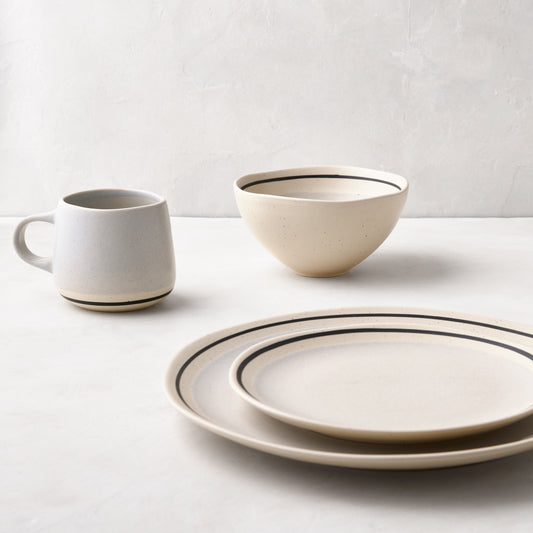
Hand-painted plates show the movement and touch of the maker. A border may shift slightly, while a flower, stripe, or brushstroke may change from one piece to the next. As a result, each small plate has its own character.
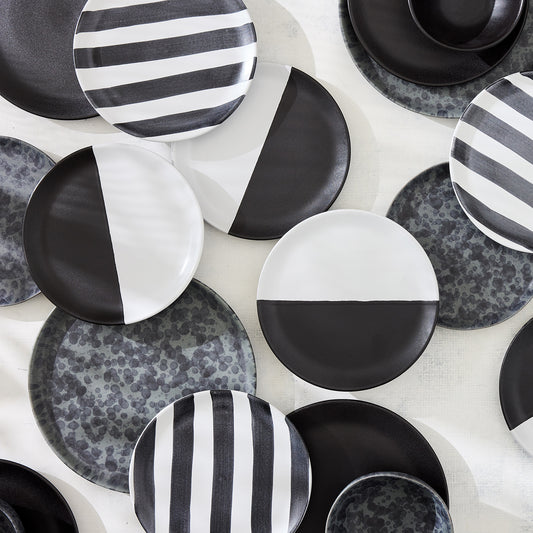
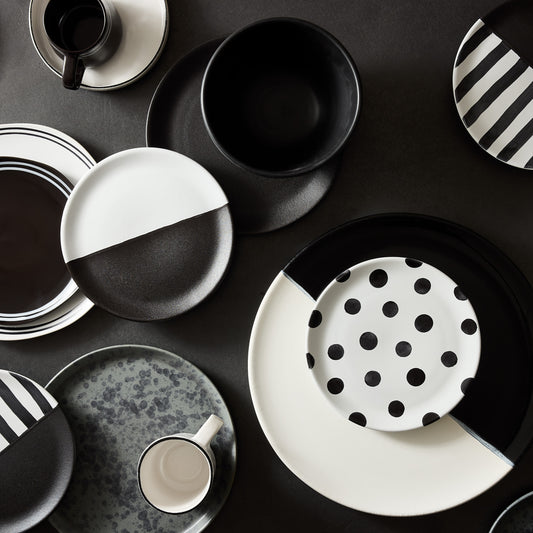
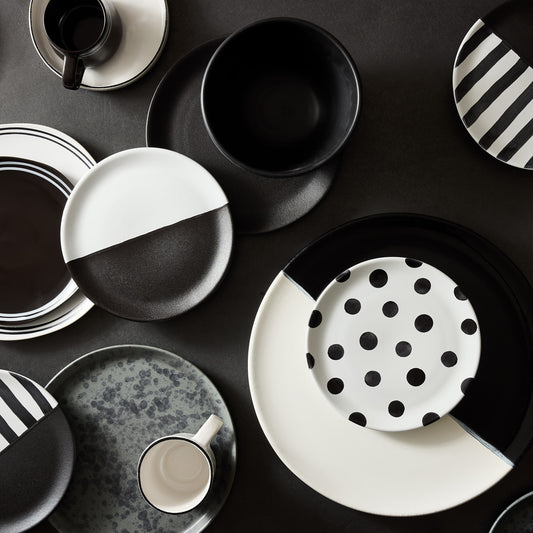
The Peter Dunham + Hudson Grace collection brings iconic textile patterns to ceramic plates through fig leaves, paisleys, borders, and graphic motifs. Meanwhile, the Diane Keaton + Hudson Grace collection explores black and white through dots, stripes, splatter, and expressive lines.
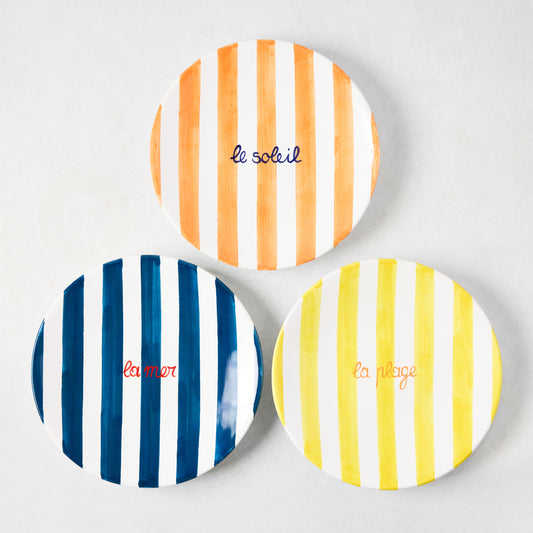
Our assortment also includes painted florals, fruit, words, stripes, and seasonal motifs. Some designs coordinate, while others work best in a mixed stack. Either way, hand-painted accent plates bring the right amount of wit to the table.
Seasonal Salad and Appetizer Plates
Seasonal plates are one of the easiest ways to change the table. Instead of replacing complete place settings, layer a holiday or seasonal appetizer plate over the dinnerware you already own.
Throughout the year, Hudson Grace introduces small plates for spring tables, summer meals, Halloween, Thanksgiving, Christmas, and other gatherings. Designs may include flowers, fruit, painted borders, graphic words, or familiar seasonal icons.
Use matching plates for a more ordered table. Alternatively, mix several designs and connect them with one napkin color or tablecloth. After the season, small plates require little storage and can return to the table year after year.
White Salad and Appetizer Plates
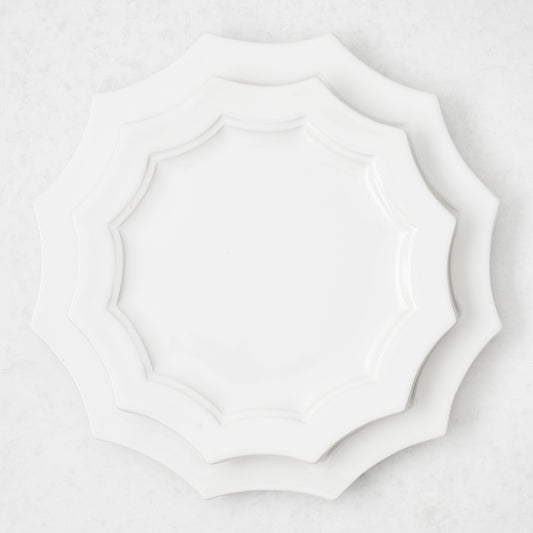
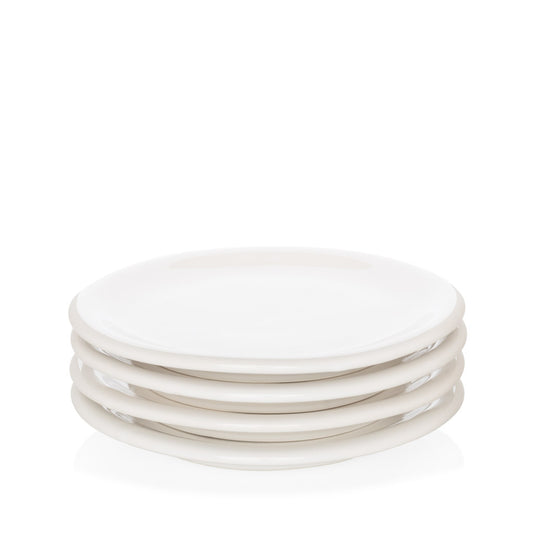
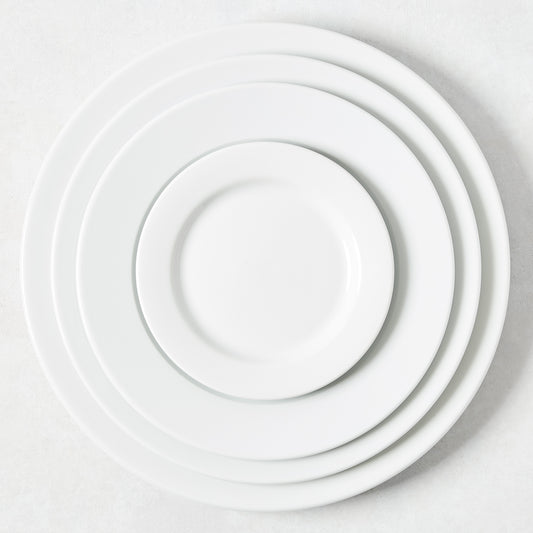
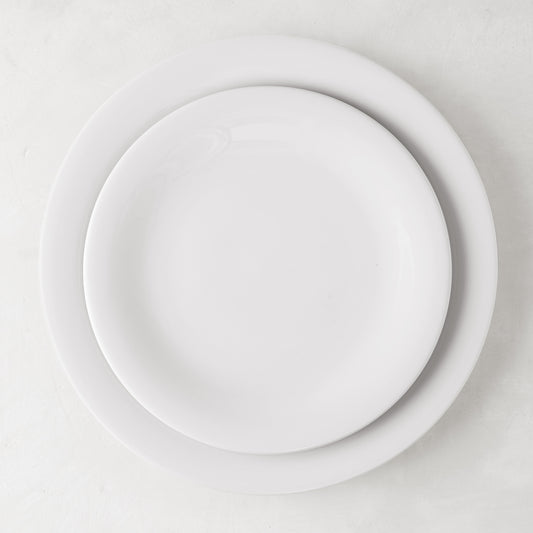
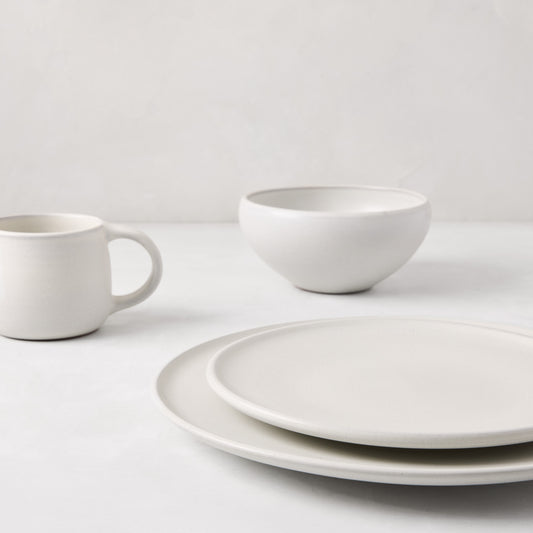
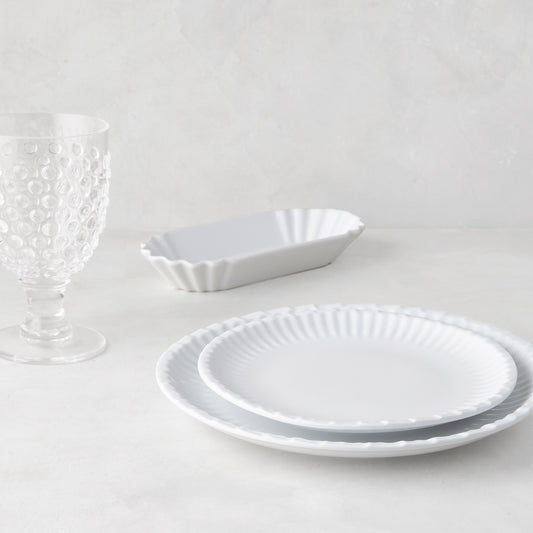
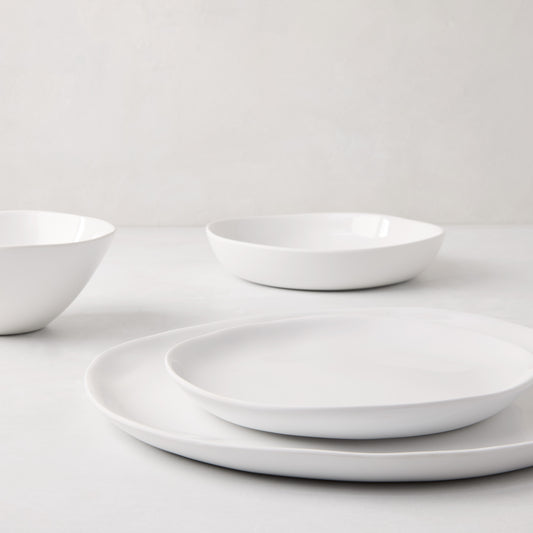
White small plates remain useful long after a particular dinner or season. They work for appetizers, salads, desserts, and parties, while their shape and texture keep the table from feeling flat.
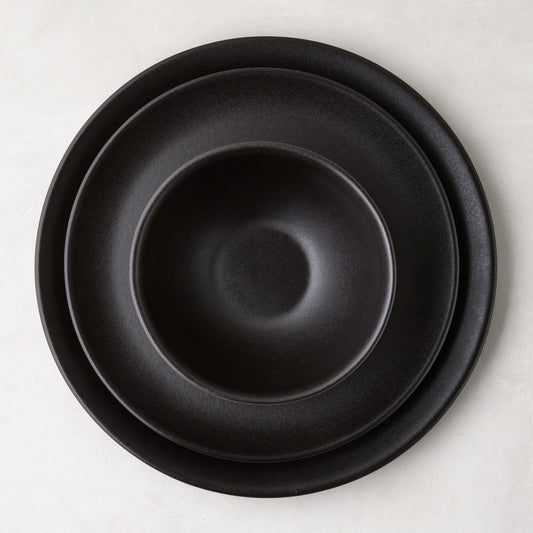
Choose smooth porcelain for a clean, crisp setting. For more texture, consider Italian ceramic with organic edges, subtle rings, scallops, or a hand-applied glaze. Portuguese stoneware, meanwhile, brings a more substantial feel and natural depth of color.
White accent plates also mix easily with patterned dinner plates. Therefore, they can calm a colorful setting or add another shape to an all-white table.
Outdoor Salad and Appetizer Plates
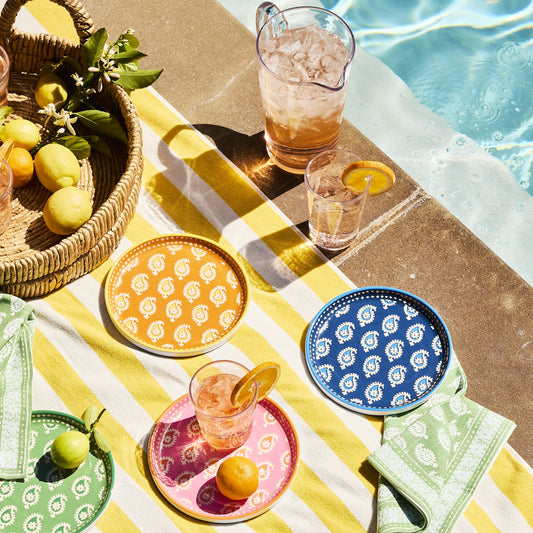
Outdoor melamine plates make small bites, salads, and desserts easier to serve on the patio, by the pool, or at a picnic. They feel light in the hand and resist breaking, which makes them especially useful when guests move between the table and garden.
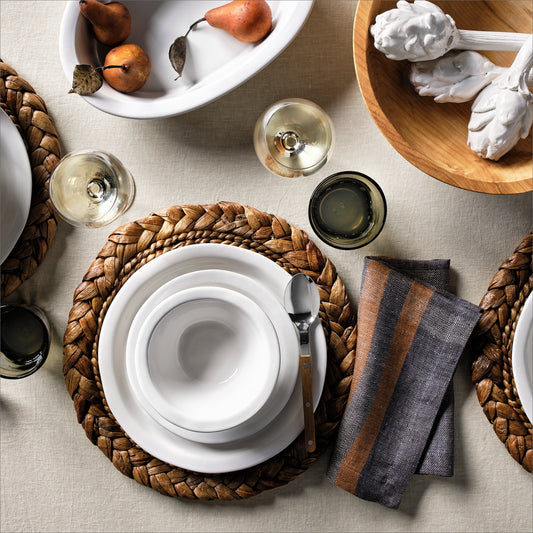
Hudson Grace outdoor small plates include classic white designs and colorful patterns. Pair them with outdoor dinner plates, woven placemats, linen napkins, and acrylic drinkware. In addition, keep a stack near the bar for snacks during a summer party.
Shop all outdoor dinnerware.
How Many Small Plates Do You Need?
For everyday place settings, begin with the same number of salad plates as dinner plates. Eight to twelve plates will cover most daily meals and dinner parties. However, cocktail parties often require more because guests may return for another plate as the food changes.
For a larger gathering, plan at least one appetizer plate per guest and keep extras nearby. If you entertain often, a stack of simple small white plates can support any occasion. Then, add seasonal or patterned plates over time.
Before ordering, consider:
- The plate diameter and usable surface
- Whether the plate will layer over your dinnerware
- The number of guests you host most often
- Available cabinet and shelf space
- The material, glaze, and care instructions
- Whether matching pieces may be added later
Small Plates for a Wedding Registry
Salad and appetizer plates belong on a wedding registry because they serve so many purposes. Register for salad plates as part of the main dinnerware collection. Then, add smaller appetizer plates for drinks, snacks, desserts, and parties.
A useful registry can include:
- Eight to twelve salad plates
- Twelve or more appetizer plates for gatherings
- Accent plates in a color or pattern you love
- Seasonal plates for holidays you host
- Outdoor melamine plates for casual meals
- Coordinating platters, bowls, and cocktail napkins
Small plates also make thoughtful wedding, housewarming, and host gifts. A set of four can stand alone, while a stack paired with cocktail napkins or a serving board creates a complete gift for someone who loves to gather.
Create a Hudson Grace registry.
Complete the Table
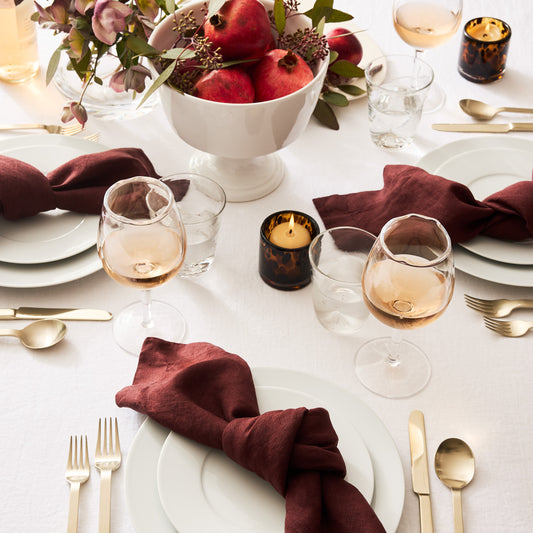
Layer salad and accent plates over dinner plates or mix them with pieces from our dinnerware collections. Then, add table linens, flatware, and drinkware.
For a cocktail party, pair appetizer plates with serveware, cocktail napkins and coasters, and the barware you use most. Stack the plates, put out the food, and let everyone help themselves.
Hudson Grace salad and appetizer plates bring color, craft, and possibility to the table. Use them for a first course, a slice of cake, a stack of small bites, or simply because the dinnerware needed one more good layer.